Má tá imeacht á phleanáil agat don tSeachtain Oidhreachta Náisiúnta, cabhraíonn sé cloisteáil ó dhaoine a rinne é cheana. Tugann eagraithe cuid de na himeachtaí a bhuaigh duaiseanna in 2025 eolas ar conas a cuireadh a n-imeachtaí le chéile inár Treoir d’Eagraithe Imeachtaí. Tá éagsúlacht sna himeachtaí, ach tá go leor i gcoiteann acu maidir le conas a rinneadh iad a phleanáil agus a chur ar bun. Léigh ar aghaidh chun tuilleadh a fhoghlaim!
Tosaigh le rud éigin atá agat cheana
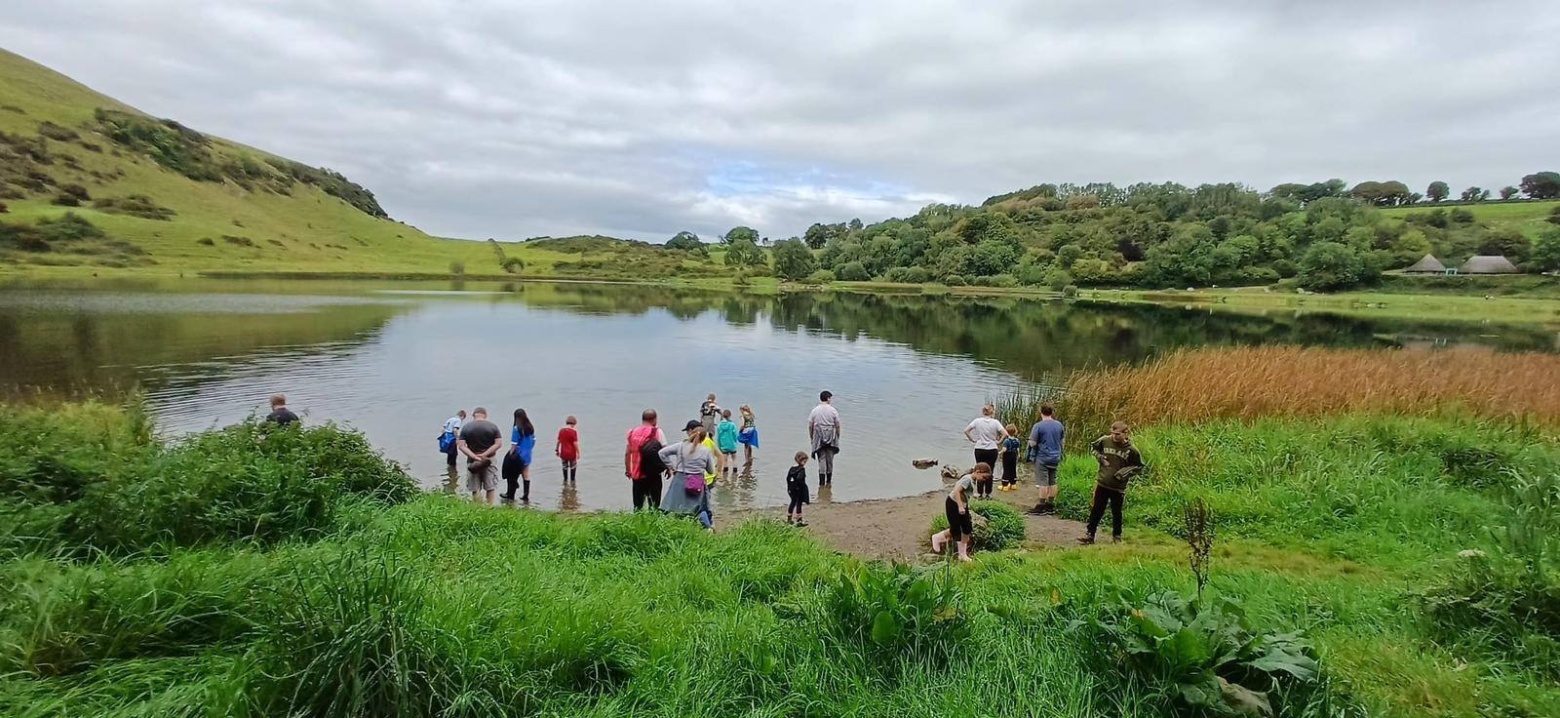
Níor thosaigh Christine Reidy ón Maigue Rivers Trust le plean mionsonraithe. “Bhí mé ar Shiúlóid Feirme agus bhí Poll do Mhadraí Uisce tógtha ag an bhfeirmeoir. Bhí cuma iontach air, agus chuir sé ag smaoineamh mé faoi Lá na Leanaí Fiáine a eagrú dírithe ar mhadraí uisce.” D’éirigh leis an smaoineamh sin forbairt ina imeacht iomlán faoin aer le gníomhaíochtaí do pháistí!
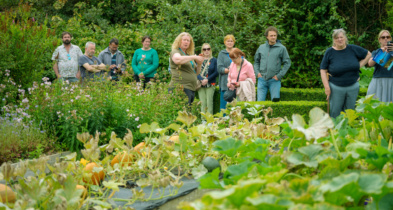
Thosaigh Ionad Pobail Ghleann na Míolaí ó áit éagsúil. Tógadh a n-imeacht timpeall ar thionscadal a bhí ar bun cheana féin. “D’fhás ár n-imeacht as seoladh ár gcláir faisnéise staire béil, agus ansin rinneamar tobsmaointeoireacht ar smaointe a d’fhéadfaí a chur leis chun tacú leis an bpríomhní is díol spéise.”
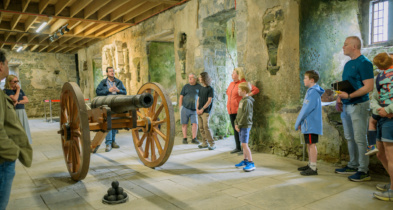
Níor thosaigh Grúpa Oidhreachta Bhaile an Mhuilinn ón tús ach an oiread. Cuireadh tús lena n-imeacht nuair a rinne an seandálaí Jerry O'Sullivan ó Bhonneagar Iompair Éireann teagmháil leo chun léacht a thabhairt. Ansin leathnaigh siad é ina chlár níos cuimsithí le rannpháirtíocht ó scoileanna áitiúla, léirithe ceoil agus taispeántais scannán.
Sna trí chás, ba é an pointe tosaigh rud éigin a bhí acu cheana féin, seachas smaoineamh iomlán nua a chruthú ón tús.
Pleanáil mar ghrúpa é
Mhínigh an triúr eagraithe gur roinneadar an obair go luath sa phróiseas pleanála. Thug Ionad Pobail Ghleann na Míolaí róil éagsúla do dhaoine i measc na foirne: “Ghlac baill an ghrúpa freagracht as tascanna ar leith: cur chun cinn, socrúcháin phraiticiúla agus taispeántais, teagmháil le cainteoirí agus ord reatha an chláir, bainistiú na sólaistí, páirceáil agus maoirseacht sluaite.”
Ghlac Grúpa Oidhreachta Bhaile an Mhuilinn cur chuige den chineál céanna. Míníonn siad: “thosaíomar trí mheasúnú a dhéanamh ar an ionad agus ar an spás a bhí ar fáil... ansin d’earcaíomar oibrithe deonacha a bhí sásta cabhrú leis an lóistíocht.” Thug siad faoi deara freisin an tionchar dearfach a bhí aige seo: “Chabhraigh sé go mór go raibh daoine ag glacadh le róil faoi leith, rud a chinntigh gur éirigh go maith leis an lá agus gur cuireadh gach rud ar bun go réidh.”
Bhí an bhéim ar a chinntiú go raibh duine freagrach as gach cuid den imeacht.
Smaoinigh tríd an eagrú
Dhírigh roinnt den chomhairle is dírí ar chinntí bunúsacha pleanála. Luaigh Christine Reidy cuid de na rudaí bunriachtanacha: “Conas a bheidh an t-imeacht le struchtúrú, cé a bheidh i gceannas air, agus, ar ndóigh, an bhfuil leithris ann?!” Mhínigh sí freisin an chaoi ar mhúnlaigh rogha an ionaid an t-imeacht: “Theastaigh uaim ionad a aimsiú a mhothódh ‘fiáin’ ach a bheadh inrochtana agus a mbeadh áiseanna ann.”
Dhírigh Grúpa Oidhreachta Bhaile an Mhuilinn chomh maith ar shonraí praiticiúla a phleanáil roimh ré – suíocháin, córas fuaime agus leagan amach an ionaid san áireamh. Is iad seo na rudaí a mbíonn tionchar acu ar an gcaoi a n-oibríonn an t-imeacht nuair a thagann daoine ann.
Déan é éasca ar dhaoine páirt a ghlacadh.
Nuair a labhair na heagraithe faoin méid a rinne a n-imeachtaí rathúil, dhírigh siad níos lú ar an ábhar féin agus níos mó ar an gcaoi ar ghlac daoine páirt ann. Rinne Christine Reidy cur síos air: “Rud a dhéanann nasc leis an lucht freastail atá i gceist agus atá beagán éagsúil.”
Rinne Ionad Pobail Ghleann na Míolaí go leor oibre ar a chinntiú gur bhraith daoine go raibh siad á gcur san áireamh. “Tá aird ar an uileghabhálacht i gcroílár an imeachta: d’oibríomar go dian lena chinntiú go raibh fáilte roimh gach aoisghrúpa agus gach réimse spéise, agus go raibh rud éigin ar fáil do chách.” Rinne siad cinnte freisin go raibh fáilte ghníomhach á cur roimh dhaoine agus go raibh sé éasca orthu páirt a ghlacadh.
Ba dhealraitheach do Ghrúpa Oidhreachta Bhaile an Mhuilinn go ndearna rannpháirtíocht dhíreach an phobail difríocht mhór: “Inár gcás féin, spreag rannpháirtíocht na bpáistí sa cheol tuismitheoirí agus seantuismitheoirí freastal ar an imeacht.”
Bí réidh chun rudaí a athrú ar an lá
Fiú le pleanáil chúramach, is féidir le rudaí athrú nuair a thosaíonn an t-imeacht. Dhírigh Ionaid Pobail Ghleann na Míolaí ar an imeacht a choinneáil ag gluaiseacht go réidh: “Teastaíonn dearcadh solúbtha maidir le sreabhadh agus luas an imeachta, chomh maith le bealaí chun spéis daoine a choinneáil agus súil a choinneáil ar imeachtaí an lae chun rannpháirtíocht agus taitneamh a chothú.”
Leag Grúpa Oidhreachta Bhaile an Mhuilinn béim ar thábhacht an uainithe agus láithreach, agus luadh “Tá an t-uainiú ríthábhachtach, agus tá sé chomh tábhachtach céanna an suíomh ceart a roghnú. Is féidir le himeachtaí faoin aer dúshláin bhreise a chruthú.”
Cabhraíonn plean maith le himeacht rathúil a eagrú, ach tá sé chomh tábhachtach céanna aird a thabhairt ar an gcaoi a bhfuil an lá ag dul agus a bheith réidh le dul in oiriúint de réir mar is gá!
Úsáid na cainéil atá agat cheana
Bhí an cur chun cinn mar ghné chomónta ag na heagraithe uile, agus dhírigh sé go mór ar an bpobal áitiúil. Rinne Christine Reidy cur síos ar mheascán de chur chun cinn áitiúil agus níos leithne: “Chuireamar an t-imeacht chun cinn ar na meáin shóisialta, trí líonraí i Luimneach, agus tháinig go leor daoine tríd an gcur chun cinn a rinne Comhairle na hOidhreachta féin do Sheachtain Oidhreachta Náisiúnta.”
Dhírigh Ionaid Pobail Ghleann na Míolaí ar bhealaí pobail: “Tá cainéil mheán sóisialta an-áitiúla againn, cosúil le grúpaí WhatsApp agus cláir fógraí ar Facebook. Léitear ár nuachtán áitiúil go forleathan, agus tá an chaint ó bhéal fíorthábhachtach freisin.”
Bhain Grúpa Oidhreachta Bhaile an Mhuilinn úsáid as cur chuige a bhí cosúil leis, agus chuir siad a n-imeacht chun cinn trí “ár suíomh gréasáin oidhreachta pobail, ár leathanaigh Facebook agus Instagram, agus nuachtlitir an pharóiste áitiúil. Cuireadh póstaeir ar taispeáint freisin ar fud an cheantair áitiúil.”
Cá dtosaítear
Leagadh an bhéim i measc an triúir eagraithe ar chur chuige praiticiúil: tosaigh le rud éigin atá agat cheana féin, oibrigh le daoine eile agus roinn na róil go luath, déan pleanáil chúramach ar an socrú, agus dírigh ar an gcaoi a mbeidh daoine in ann páirt a ghlacadh nuair a bhainfidh siad an t-imeacht amach. Tá an Treoir d’Eagraithe Imeachtaí iomlán ar fáil ar an leathanach Acmhainní, chomh maith le hacmhainní breise chun cabhrú leat d’imeacht a phleanáil agus a chur chun cinn.
Níos Mó a Fhoghlaim faoi d’imeacht a eagrú agus a chlárú.