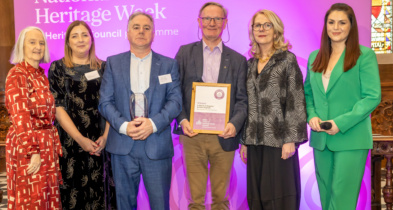
Announcing the National Heritage Week 2026 theme and dates

National Heritage Week 2026 will take place from 15th - 23rd August as we invite you to explore the theme of "Heritage At Risk"
Over the past number of years, the popularity of National Heritage Week has increased year on year. In 2025 there were over 2,500 heritage events across the island of Ireland, a record year for the number of events. This year the Heritage Council invites you to explore the heritage events in your area through the theme of "Heritage At Risk". Taking place from 15th - 23rd August, this year's National Heritage Week will give you the opportunity to think about and seek out the heritage places and practices that are endangered and require our attention.
In 2026, National Heritage Week explores the theme “Heritage at Risk” At a time of accelerating environmental change, social transformation, and technological shift, the theme invites us to reflect on what is putting our heritage at risk — and how we can respond with care, creativity, and collective responsibility.
Built Heritage at Risk
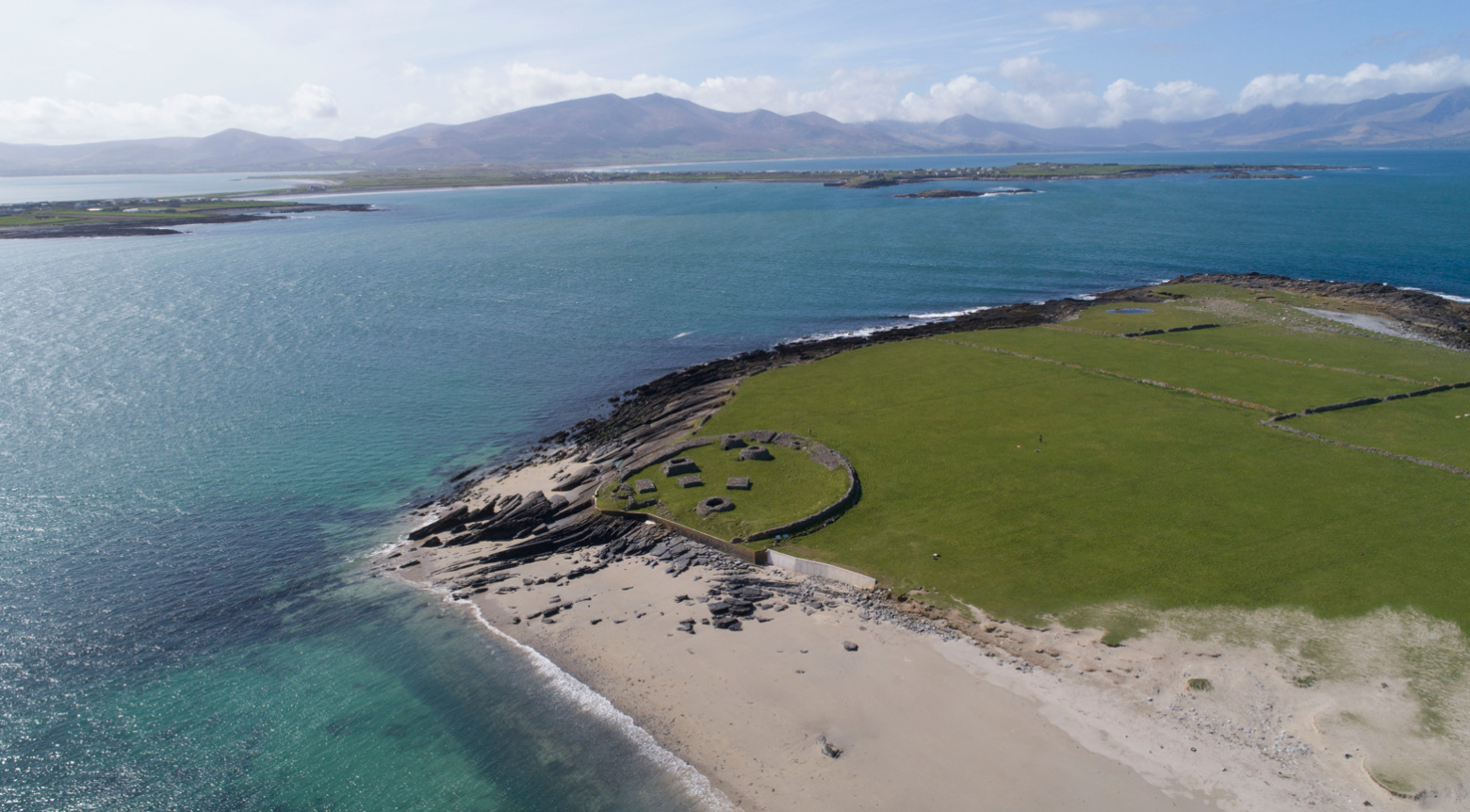
Did you know that over 25% of all recorded heritage sites are exposed to one or more climate hazards by 2100. Built heritage — including historic buildings, streetscapes, monuments, and archaeological sites — is particularly vulnerable to climate-related impacts such as flooding, coastal erosion, rising damp, heat stress, and extreme weather events. Traditional buildings, often constructed with breathable materials and local techniques need traditional craftspeople to help maintain and restore these buildings, skills that are becoming less common.
For National Heritage Week 2026, we encourage you to explore those sites and buildings that are at risk. Ireland’s National Adaptation Framework (NAF) recognises that climate change poses a significant risk to built and archaeological heritage. The Heritage Council encourages event organisers to think about how to highlight these sites and locations through talks,, on site events, reinterpretation, research and more.
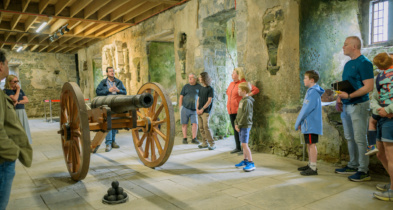
Our built heritage can be revived by those with traditional built heritage skills. For 2026, National Heritage Week hopes to highlight the work of traditional craftspeople. Skills such as thatching, stone masonry, blacksmithing and others can be celebrated through workshops, demonstrations and events celebrating these skills.
Protecting built heritage is not about freezing places in time — it is about ensuring they can continue to be used, valued, and cared for in a changing climate.
Cultural Heritage at Risk
Cultural heritage includes traditions, languages, music, crafts, rituals, stories, and everyday practices passed from one generation to the next. Much of this intangible heritage is at risk due to social change, migration, loss of intergenerational transmission, and the declining use of regional and minority languages.
The Heritage Council wishes to invite you to explore what are the cultural practices that are at risk in your community. In particular to bring attention to the importance of intergenerational knowledge; skills and practises being passed down between generations, the resilience of oral storytelling, and the power of cultural expression in times of crisis. Incorporating the written and oral use of our native language in activities organised in regions with established Gaeltacht's but also in areas where Irish is not widely spoken can strengthens the living heritage of the Irish language. Pop-ups or talks through Irish can encourage those with limited or no Irish to explore the language.
Examining our cultural heritage at risk such as traditional crafts and games, music and other forms of arts ensure that these traditions are kept alive in the places that they originated. As we move through the world where digital technologies, if not carefully used, can remove traditions from their community context it is important to protect cultural heritage and supporting the people who carry it — ensuring that diverse voices are heard, valued, and supported. National Heritage Week 2026 will encourage event organisers to dive into local living heritage, storytelling, cultural practices and traditions that are threatened from disappearing.
Natural Heritage at Risk
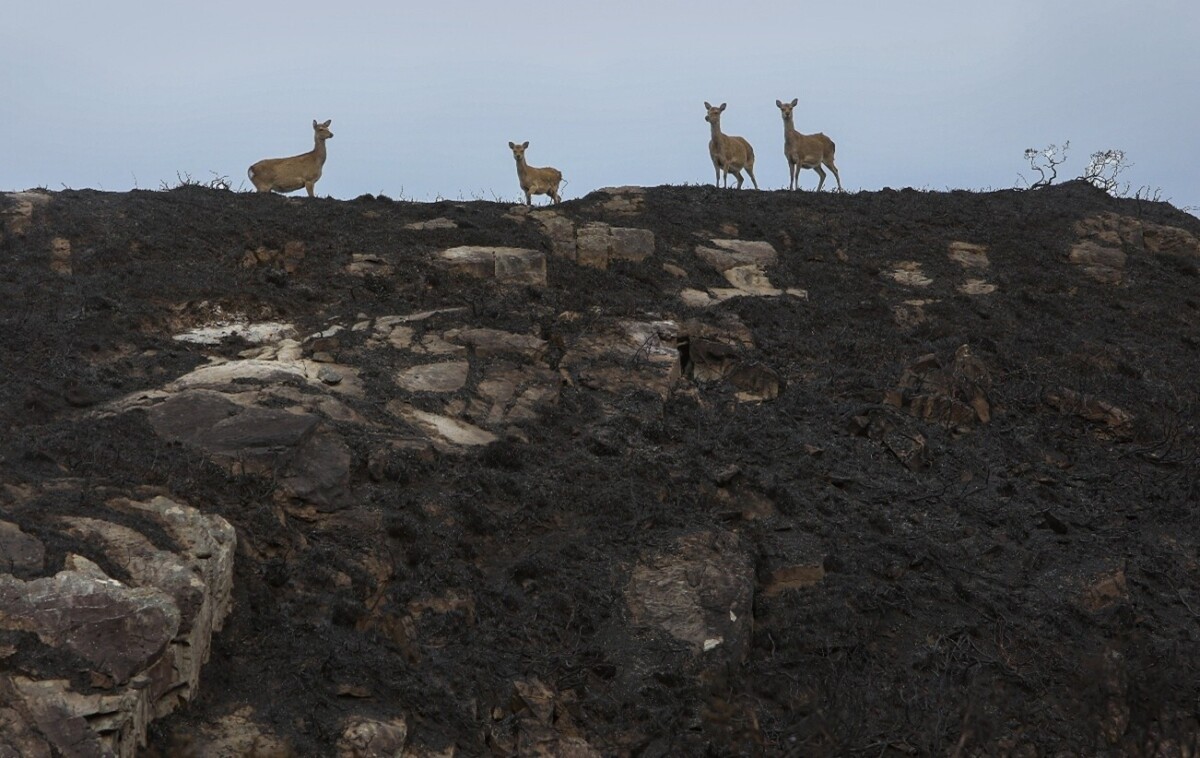
Our natural heritage shows the clearest signs of the risk that our heritage faces. Natural heritage — our landscapes, habitats, ecosystems, and biodiversity — is at risk from climate change, habitat loss, pollution, and land use which place increasing pressure on ecosystems that have shaped settlement patterns, farming practices, folklore, and place names for centuries.
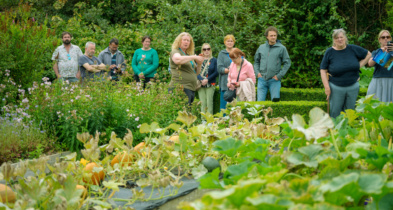
National Heritage Week encourages us to see nature not as separate from heritage, but as a living archive of human–environment relationships. For National Heritage Week 2026 we encourage event organisers and the public to explore the habitats, landscapes, flora and fauna that are endangered and at risk. Host events exploring these themes. This can be guided walks, animal surveys, exploration of habitats, workshops or any other idea that you think would fit this theme.
There is a need to protect and restore ecosystems, enhance ecological resilience, and support nature-based solutions. Safeguarding biodiversity is not only essential for environmental health, but also for the survival of cultural landscapes and the intangible heritage connected to them — from seasonal customs and food traditions to local knowledge of land and water.
How we can explore our Heritage at Risk
National Heritage Week 2026 offers countless ways for event organisers and communities to explore the theme “Heritage at Risk” in meaningful and creative ways. For event organisers events might include guided walks of historic towns, coastlines, or cultural landscapes affected by climate change; talks or exhibitions exploring threatened buildings, archaeological sites, or biodiversity; and workshops on traditional building skills, crafts, food, or land practices that support sustainability.
Storytelling sessions, oral history recordings, and language-focused events can help safeguard living cultural heritage, while film screenings, photography projects, and art installations can raise awareness of heritage loss and resilience.
Digital activities — such as virtual tours, heritage mapping, or community archiving — offer new ways to document and share endangered heritage, while hands-on family events, trails, and creative workshops can engage younger audiences. Whether large or small, every event is an opportunity to revive what is fading, resist what threatens our shared inheritance, and reimagine how heritage can continue to shape our communities into the future.